A room built for slow reading
Mentisvertex opened in 2023 in a second-floor walk-up near Mangwon Market, after its founders spent a year watching smart people give up on Solana documentation that assumed too much and explained too little.
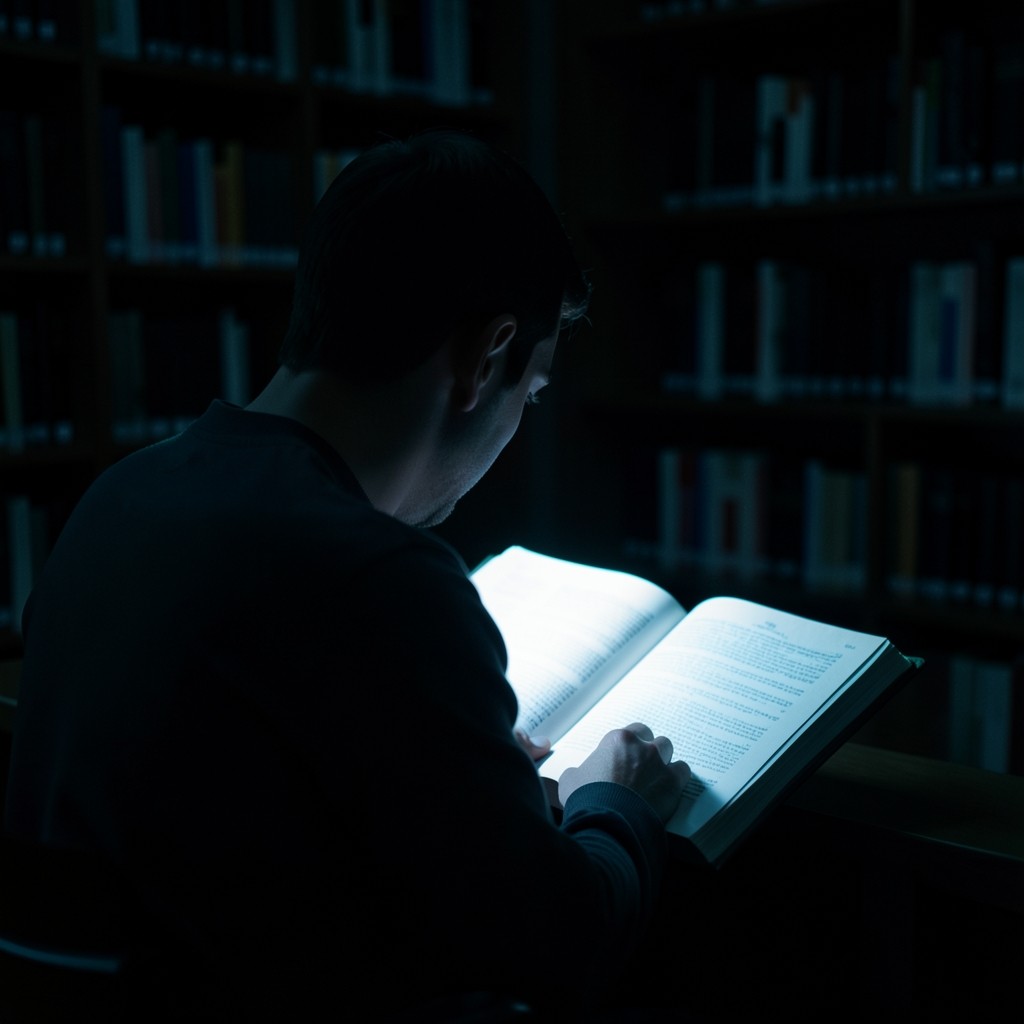
The room holds a curated collection rather than an exhaustive one. Every article, guide, glossary card, and deep dive on the shelves was read in full by a curator, argued over at the long table, and stamped with the date it was last re-read. Pieces that can't survive a re-read are pulled and revised or retired.
We are deliberately small. A small room can promise things a large archive cannot: that everything on the shelf is current, that a person chose it, and that a person will answer when you write in about it.
The curators
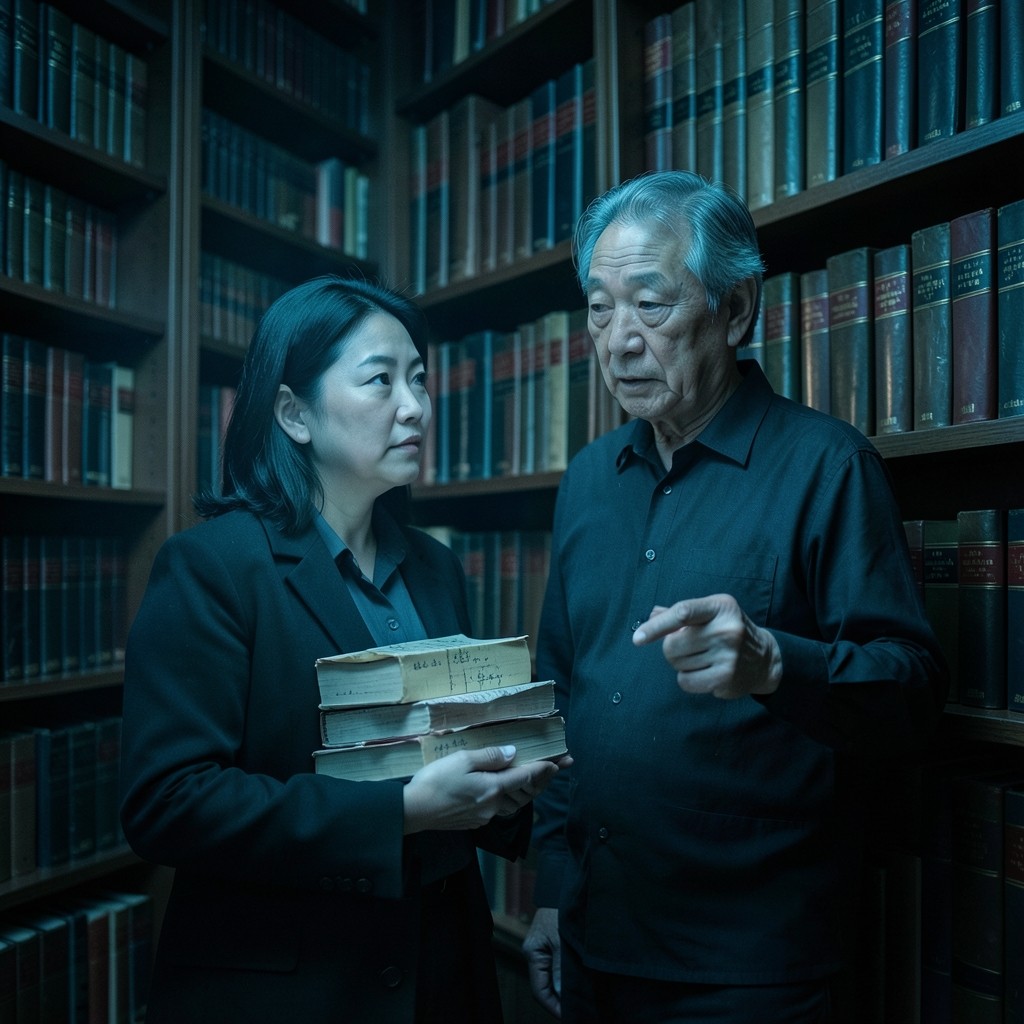
Ha-eun covers validator operations, staking, and governance. She ran infrastructure documentation for six years and still reads every governance proposal before breakfast. Readers on the infrastructure path answer to her margin notes.
Jun-ho writes and maintains the long guides. He came from technical publishing, where he learned that a guide only works if it survives being read aloud. Every long piece on our shelves has been read aloud at the table at least once.
Mira keeps the glossary desk. She interviews engineers, then argues with them until a definition fits on an index card. Her rule: if a term can't be explained to a careful beginner without another undefined term, the card isn't finished.
Shelving rules
Three rules decide what enters the collection. First, a curator must understand the piece well enough to defend it at the table. Second, the piece must say something a reader cannot get faster from the primary documentation. Third, the piece must name its own limits — what it simplifies, what it omits, and when it was written.
The room holds no token positions and accepts no placement fees from projects. When a piece of ecosystem writing touches a project a curator has worked with, that relationship is disclosed on the shelf card.
Visiting
The physical room opens to readers on weekday evenings by arrangement; most of the collection circulates digitally to readers anywhere. The fastest way to reach us is a letter through the contact desk. We answer within two working days, in English or Korean.